Identity Security Articles

Identity Security Articles & Insights

Explore expert perspectives, in-depth articles, and the latest insights on identity security, access management, authentication, zero trust, machine identities, privileged access, and AI agent security.
IDENTITY SECURITY RESOURCE VERIFIED
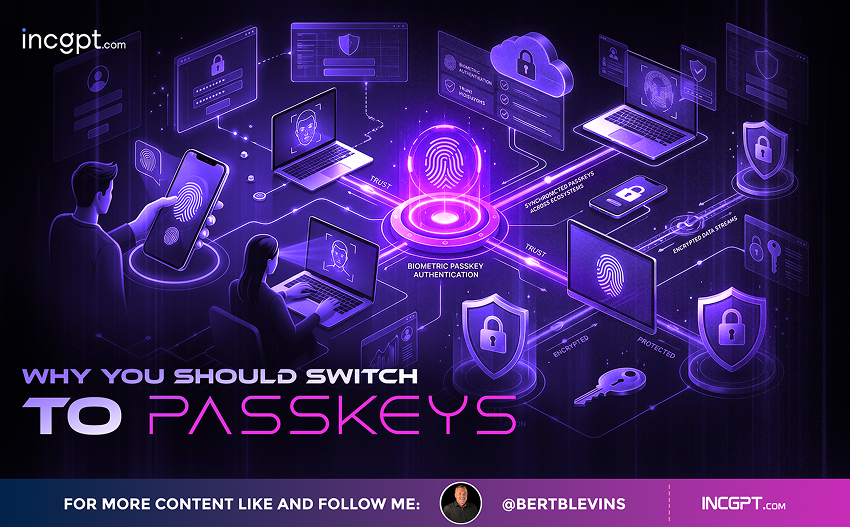
In the era of constant data breaches and hacking threats, traditional passwords are increasingly seen as outdated and vulnerable. Even with password managers in place, the reliance on passwords remains a significant security risk. Enter passkeys—an innovative and much more secure alternative to passwords that is quickly gaining traction among companies and users alike. This article will explore how passkeys work, why they are more secure than passwords, the challenges involved in their adoption, and how you can start using them today.
In the fast-paced, technology-driven world of business, the significance of logs often goes underappreciated. Yet, without logs, it would be almost impossible to maintain the efficiency of modern applications, cloud platforms, or customer-facing services. Logs serve as the silent drivers of reliability, performance, and security in digital systems. Despite their importance, logs remain one of the most critical yet least celebrated sources of insight in the digital era. In this article, we explore how businesses can unlock the true value of modern log management to enhance operational performance and resilience.
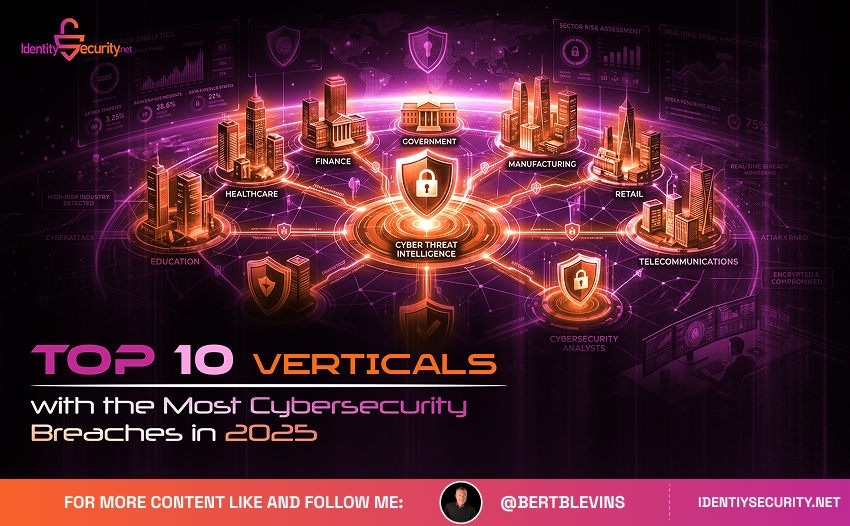
The landscape of cybersecurity threats is constantly evolving, with various sectors facing an increasing number of data breaches. Based on reports from the Identity Theft Resource Center (ITRC) for the first three quarters of 2025, the following sectors have emerged as the top 10 most targeted in terms of the number of breaches. Additionally, insights from other sources like Verizon’s Data Breach Investigations Report (DBIR), VikingCloud, and UpGuard have been used to expand the narrative on these sectors. While full-year data is not yet available, the first three quarters of 2025 reveal trends and patterns that can help organizations in these industries prepare for and mitigate cyber risks.
When we think of malware, we often imagine it as a dramatic event: a ransomware warning flashing on the screen or a sudden blue screen of death. In reality, the most dangerous forms of malware are much subtler. It could be a sneaky process draining your CPU resources to mine cryptocurrency, a seemingly helpful app silently sending data to an unknown IP address, or a persistent script that reinstalls itself every time the system reboots.
In the darker corners of the internet, a new and rapidly evolving cyber threat has emerged: deepfake attacks. These sophisticated AI-generated forgeries, capable of replicating voices, faces, and mannerisms with unsettling accuracy, are no longer limited to entertainment or political manipulation. Today, criminals are exploiting deepfakes as a powerful tool to infiltrate corporate systems, with helpdesk and customer support teams being prime targets. What was once a futuristic concern is now a daily operational challenge, as fraudsters impersonate company executives, employees, and even customers to steal sensitive data, authorize fraudulent transactions, or bypass security protocols.
Cybersecurity can no longer be measured only by how well an organization prevents attacks. Today’s enterprises run on complex, interdependent digital supply chains—cloud platforms, identity providers, endpoint agents, edge networks, third-party APIs, and SaaS services—where a disruption in one layer can instantly cascade into business outage.
In today’s rapidly evolving digital landscape, where cyberattacks are becoming more sophisticated by the day, multi-factor authentication (MFA) has emerged as a critical layer of defense in protecting online accounts. MFA is designed to enhance security by requiring users to provide two or more forms of verification before gaining access to an account, typically a combination of something you know (a password) and something you have (like a smartphone or security key). However, an insidious phishing tactic has emerged that exploits this very security measure by mimicking legitimate re-authentication requests.
As cyberattacks become more sophisticated and widespread, businesses—especially small and medium-sized firms (SMBs)—are facing increasing pressure from attackers. The rise of artificial intelligence (AI)-driven social engineering tactics and ransomware strategies presents new challenges in the ever-evolving digital landscape. To stay ahead, businesses must understand these changing cybersecurity threats and take proactive measures to secure their data and systems.
Acknowledgements The creation of the Preliminary Draft of the Cyber AI Profile owes much to the contributions of a wide range of stakeholders, including subject matter experts, workshop speakers, and session participants. These individuals played a pivotal role in shaping the discussions and providing feedback, which were crucial in forming the foundational elements of the document. Special thanks are extended to those who contributed invaluable insights during the public workshops and working sessions, as well as to the teams at NIST and MITRE Corporation, whose expertise in cybersecurity and AI was instrumental in the development process. Without their efforts, this work would not have been possible.
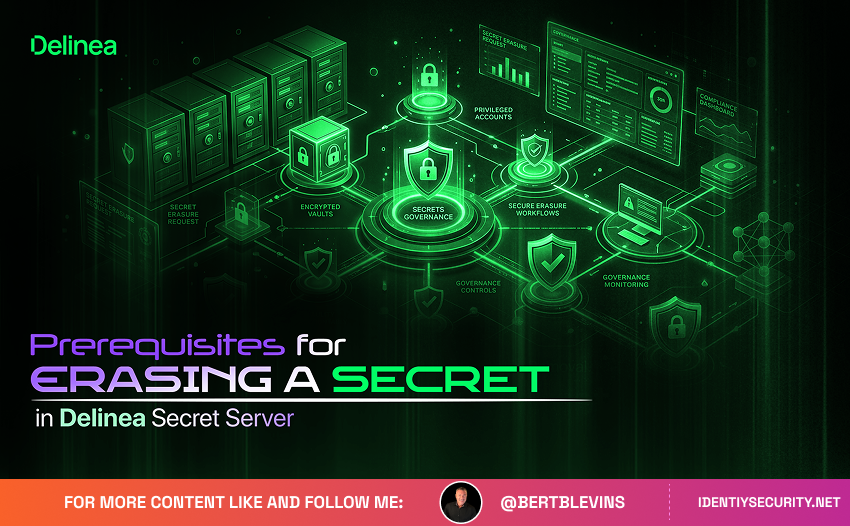
Erasing a secret is a permanent action that differs from deactivation (which hides the secret but allows reactivation).
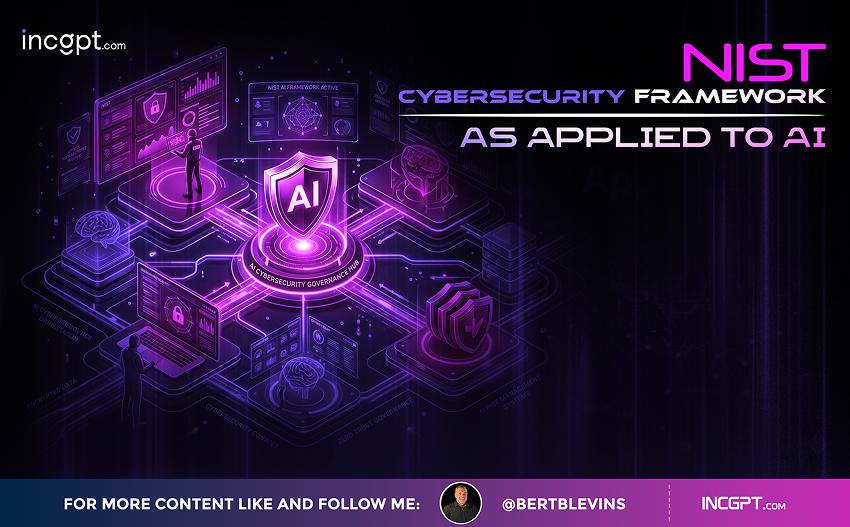
The integration of Artificial Intelligence (AI) into cybersecurity presents both vast opportunities and unique risks. As AI technologies evolve, they significantly enhance an organization’s ability to detect, respond to, and mitigate cybersecurity threats. However, AI also introduces new vulnerabilities and challenges, such as adversarial machine learning attacks and data poisoning. To help organizations effectively manage these emerging risks, the NIST Cybersecurity Framework (CSF) 2.0 is being adapted to address AI-specific concerns through the development of the Cyber AI Profile.
In today’s interconnected world, cybersecurity is more than just a technical concern—it’s a fundamental pillar of business continuity and resilience. As digital transformation accelerates across industries, the threat landscape grows increasingly complex. Cybercriminals are continually refining their tactics, leveraging sophisticated tools, and exploiting vulnerabilities at an unprecedented scale. The volume, velocity, and stealth of cyberattacks have surged, putting organizations under constant pressure to protect sensitive data and critical infrastructure.